Now Welcoming 3 Founding Clients — Limited Founding Rate
Long-Term Vegetable Garden Planning: Designing a Garden That Gets Easier Every Year
A productive vegetable garden doesn’t have to mean starting from scratch each spring. With a little long-term planning, your garden can become easier, more resilient, and more beautiful year after year.
The key is designing your space with three layers working together:
-
Perennials that return each year
-
Annual flowers that support the ecosystem
-
Rotating annual vegetables for harvest
When these layers are combined thoughtfully, your garden becomes more self-supporting, healthier, and lower maintenance over time.

Vegetable Gardens Become Easier When They’re Planned to Last

A productive vegetable garden does not need to feel chaotic, overcrowded, or dependent on constant rebuilding each season.
Thoughtful planning helps vegetable gardens become more organized, manageable, and productive over time.
Long Term Planning Matters!
Long-term planning helps reduce overcrowding, simplify crop rotation, improve soil health, and create a garden layout that becomes easier to manage season after season.
Even small decisions — like pathway placement, perennial herbs, trellising, and crop grouping — can make a garden feel calmer and more efficient over time.
Common Long-Term Vegetable Garden Mistakes
Planting without future spacing in mind
Overcrowding pathways
Rebuilding beds every season
Ignoring vertical growing space
Separating flowers from vegetables completely
Not planning for succession planting
Want help planning a vegetable garden that becomes easier over time?

Custom garden plans can help simplify layout decisions, plant placement, succession planting, and long-term garden structure.
What’s Included in a Garden Plan
Personalized layout suggestions
Crop grouping guidance
Succession planting ideas
Low-maintenance structure ideas
Pathway and spacing planning
Perennial and edible layering ideas
Start With Perennials:
The Foundation of a
Long-Term Garden
Perennials provide stability in a vegetable garden. They return each year without replanting, support pollinators, and create a natural structure for the garden layout.
These plants often sit along borders, edges, or permanent beds, leaving your central growing areas open for rotating vegetables. The best vegetable gardens rely on structure and repetition instead of constant redesign.
Perennial Edibles

Some vegetables produce for many years once established.
Popular perennial vegetables include:
Asparagus
Rhubarb
Horseradish
Artichokes (mild climates)
Egyptian walking onions
Benefits of perennial vegetables
Harvest for many years from one planting
Early season harvests
Less yearly work
Deep roots that improve soil structure
Asparagus beds in particular can remain productive for 15–20 years, making them one of the most valuable long-term crops.
Most perennial vegetables are best planted in a permanent bed or along the edge of the garden, since disturbing the soil each year for annual crops can damage their roots. Treat them as long-term infrastructure in the garden design. Long-term gardens become easier because systems replace guesswork over time.
Perennial Berries

Berry plants provide reliable harvests and fit beautifully along the edges of vegetable gardens. Tall berry plants work well along fence lines or dividing trellises while smaller plants like strawberries can fill in as companion plants for other vegetables.
Popular Berries Include:
Strawberries
Raspberries
Blueberries
Blackberries
Gooseberries
Berries also help create garden zones, separating planting areas and bringing fresh fruit for years to come. It is important to note some berries are aggressive spreaders and may need a barrier to keep them in check.
Perennial Flowers for Borders

Perennial flowers help attract pollinators and beneficial insects while creating a stable border around vegetable beds. Over time, these long-lived plantings add structure to the garden and reduce the need for yearly replanting.
Permanent flower borders can also act as visual anchors, helping define garden beds while leaving annual growing areas flexible from season to season.
Low-maintenance options include:
Coneflower
Blanket flower
Coreopsis
Salvia
Lavender
These flowers return reliably each year, provide long bloom periods, and stay manageable in mixed garden spaces without spreading aggressively. Planting them around the border of a vegetable garden helps create a living ecosystem that supports pollination and adds beauty without having to replant annually.
Mix in Annual Flowers That Support the Garden
Perennial flowers require minimal effort. But there is a place in the garden for annual flowers. Many plant them as a 'trap crop' as a way to draw pests to the annual flowers instead of vegetables. They also attract pollinators, some deter pests altogether, or improve soil health.
Instead of planting flowers separately, mix them directly into vegetable beds.
Annual flowers can be a way to add variety and color that rotates each year.
Flowers That Help With Pest Control

Certain flowers naturally repel insects or attract beneficial predators.
Helpful choices include:
Marigolds
Often help reduce soil nematodes and deter some pests. One of the most popular trap crops.
Nasturtiums
Act as trap crops for aphids and attract pollinators.
Calendula
Draws beneficial insects like hoverflies and lady beetles. Also can be used for medicinal purposes.
Chives and garlic flowers
Help repel some insects since many bugs don't like the scent while attracting pollinators.
Flowers That Help Improve Soil

Some annual flowers contribute to soil health, especially when used as cover or chopped and dropped.
Examples include:
Sweet peas
Fix nitrogen in the soil and have early spring blooms.
Crimson clover
Often used as a cover crop to add nitrogen and organic matter. Can also be used in pathways as it can handle some foot traffic.
Sunflowers
Deep roots help break up compacted soil and attract pollinators.
Flowers That Work Well as Borders
Some flowers are ideal for the edges of beds or pathways.
Zinnia
Attract pollinators and beneficial insects such as lady beetles and parasitic wasps, while adding long-lasting color through summer.
Cosmos
Their open flowers attract hoverflies, lacewings, and bees, all of which help support natural pest control in vegetable beds.
Alyssum
A low-growing flower that works especially well along bed edges and pathways. Its small blooms attract hoverflies and other beneficial insects that help control aphids while filling gaps between larger plants.
Bachelor’s Buttons
Easy to grow and long blooming, bachelor’s buttons attract bees and other pollinators while adding vertical color without taking up much space.
These flowers bloom heavily through the growing season and help draw pollinators directly into vegetable beds. Because they stay mostly upright or low-growing, they fit well along borders without competing heavily with nearby crops.

Plan Annual Vegetables With Long-Term Systems
Annual vegetables are the core of most gardens, but how they are planted each year matters.
Using strategies like crop rotation, companion planting, and cover crops helps maintain soil health and reduce pest issues.
Crop Rotation

Planting the same crop in the same location each year can lead to soil nutrient depletion and increased pest problems.
Rotating crops helps prevent this.
A simple rotation system is:
Year 1: Tomatoes / peppers
Year 2: Beans / peas
Year 3: Leafy greens
Year 4: Root vegetables
This allows soil nutrients to rebalance naturally. Not everyone has the space for 4 beds that rotate on an annual basis. Cover crops can be a way to add nutrients back into the soil and achieve similar results.
Companion Planting

Some vegetables and herbs grow especially well when planted near each other. Thoughtful pairings can help improve growth, reduce pest pressure, and make better use of garden space over time.
Common examples include:
Tomatoes with basil
Carrots with onions
Cucumbers with dill
Corn with beans
Lettuce or herbs with larger plants
These combinations may help improve growth, reduce pest pressure, and increase yields by creating a more balanced garden ecosystem.
Using Cover Crops

Cover crops are plants grown primarily to improve soil rather than harvest.
Popular options include:
Clover
Winter rye
Field peas
Vetch
Benefits include:
Preventing soil erosion
Adding organic matter
Fixing nitrogen
Suppressing weeds
Many gardeners plant cover crops in fall after harvest, then turn them into the soil in spring.
Choosing Vegetables That
Work Hard in the Garden
Not all vegetables offer the same return for the space they take. Including a mix of reliable, productive crops helps make the most of each season while creating a garden that stays useful from spring through fall.
High Yield Vegetables
These crops produce heavily in relatively small spaces and are often worth prioritizing when planning a productive garden.
Zucchini
A single healthy plant can produce heavily through much of summer, making zucchini one of the most productive vegetables for small gardens. Harvesting regularly helps keep plants producing longer.
Pole Beans
Pole beans make excellent use of vertical space and often produce steadily over many weeks. Because they grow upward, they leave more ground space available for companion crops below.
Cherry Tomatoes
Cherry tomatoes are reliable producers and often continue setting fruit even when larger tomato varieties slow down in heat. A few plants can provide frequent harvests through much of the season.
Cucumbers
When grown on a trellis, cucumbers can produce heavily while taking up minimal ground space. Regular harvesting encourages continued fruit production.
Kale
Kale offers repeated harvests because leaves can be picked gradually while the plant continues growing. It also tolerates cooler temperatures well, extending production into fall.

Easy to Grow Vegetables
These vegetables are especially reliable for beginners or low-maintenance gardens because they establish quickly and generally perform well with simple care.
Radishes
Radishes germinate quickly and mature fast, often ready to harvest within a month. Their short growing time also makes them useful between slower crops.
Lettuce
Lettuce grows quickly and can be harvested leaf by leaf over time. Succession planting small batches helps maintain a steady supply through much of the season.
Green Beans
Green beans are fast growing, easy to manage, and produce well. They also help improve soil by contributing nitrogen through their root systems.
Swiss Chard
Swiss chard tolerates heat better than many leafy greens and continues producing when outer leaves are harvested regularly. Its colorful stems also add visual interest to vegetable beds.
Zucchini
In addition to high yields, zucchini is forgiving for beginners and usually grows quickly once warm weather arrives.

Long Harvest Vegetables
Some vegetables continue producing over many weeks or months, making them especially valuable in long-term garden planning.
Kale
Kale remains productive through cool weather and often improves in flavor after light frost. Harvesting outer leaves allows the plant to continue producing.
Swiss Chard
Swiss chard can produce from early summer into fall with regular cutting. It often remains one of the longest-performing leafy crops in the garden.
Indeterminate Tomatoes
Unlike determinate types, indeterminate tomatoes continue growing and producing until frost. With support and pruning, they can provide harvests for months.
Peppers
Peppers often begin slowly but continue producing steadily through warm weather. Many varieties increase production later in the season once heat is established.
Herbs
Many herbs such as basil, parsley, thyme, and oregano can be harvested repeatedly throughout the growing season. Frequent cutting often improves growth and keeps plants productive longer.
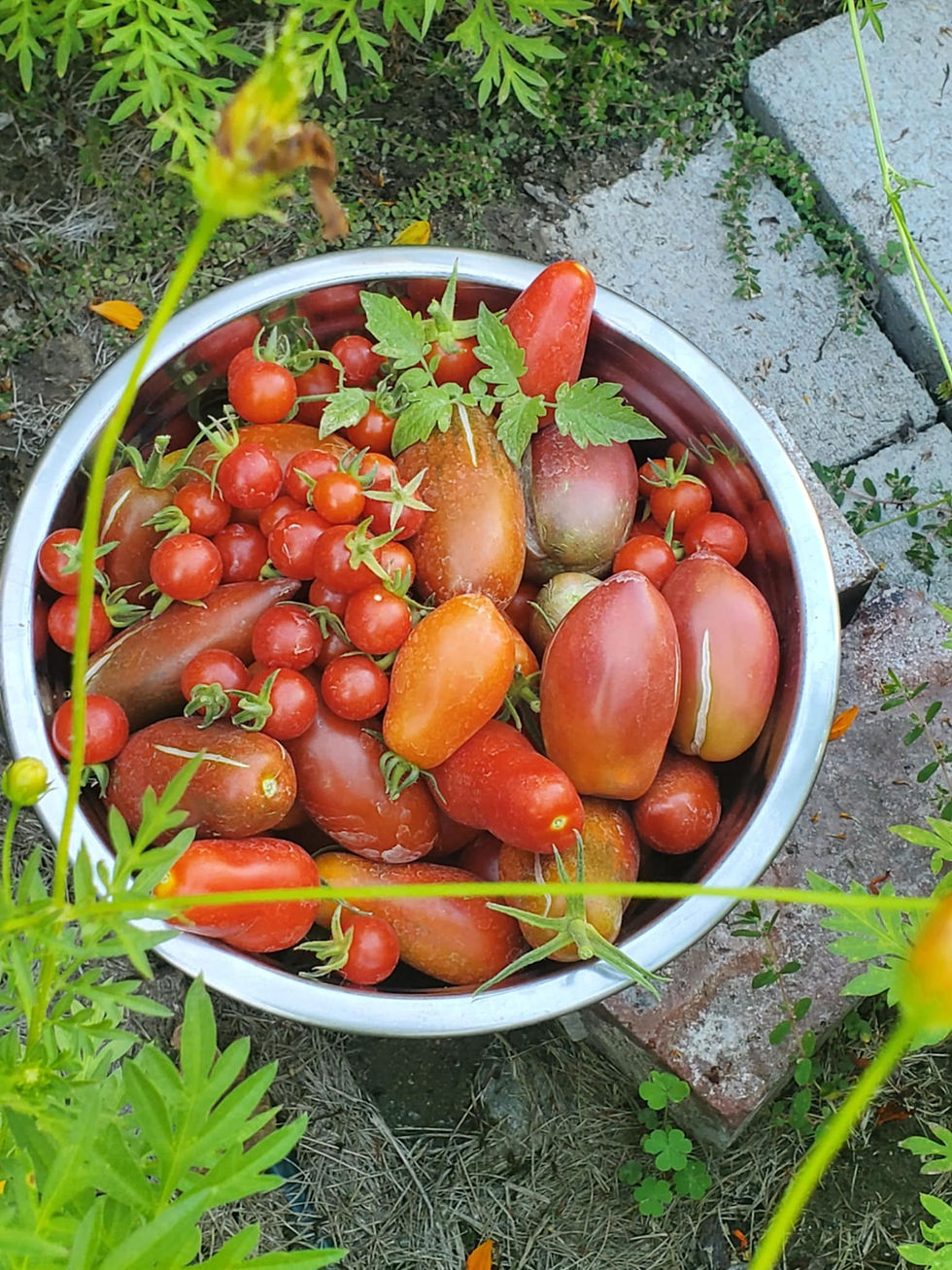
Balancing high-yield crops, easy growers, and long-harvest vegetables helps create a garden that stays productive while reducing empty space through the season.
The Long-Term Garden Mindset
A productive vegetable garden is rarely built in a single season. The strongest gardens develop gradually, with each year adding more structure, healthier soil, and a clearer understanding of what works best in your space.
Over time, thoughtful decisions — adding perennial herbs, improving pathways, rotating crops, or layering flowers among vegetables — help gardens become easier to maintain and more productive year after year.
A long-term approach does not require doing everything at once. Often the most successful gardens grow gradually, one intentional improvement at a time.
If you are planning a garden for the seasons ahead, start by choosing one area to make more permanent — whether that means adding a perennial border, improving crop rotation, or creating a more organized layout.
Small changes made intentionally often have the greatest long-term impact.
Explore more resources on low-maintenance planting, seasonal garden structure, and thoughtful garden planning at Sunlit Soil.
