Now Welcoming 3 Founding Clients — Limited Founding Rate
Low-Maintenance Garden Plants That Thrive in Zone 7

Creating a beautiful outdoor space shouldn’t mean spending every weekend weeding and watering.
In Zone 7, a thoughtful selection of hardy perennials and drought-tolerant shrubs can provide year-round interest with minimal effort.
At Sunlit Soil, we specialize in garden plans that balance lush aesthetics with sustainable, low-maintenance care, allowing you to enjoy your sanctuary without the overwhelm.
A low-maintenance garden should still feel layered, colorful, and intentional — not sparse, unfinished, or dependent on constant upkeep.
The best low-maintenance gardens rely on layered planting, overlapping bloom seasons, and plants that continue adding structure long after flowering ends.
Sunny Perennials That Get Easier Each Year
These plants thrive in full sun (6+ hours daily) and handle summer heat well once established.
Yarrow (Achillea)
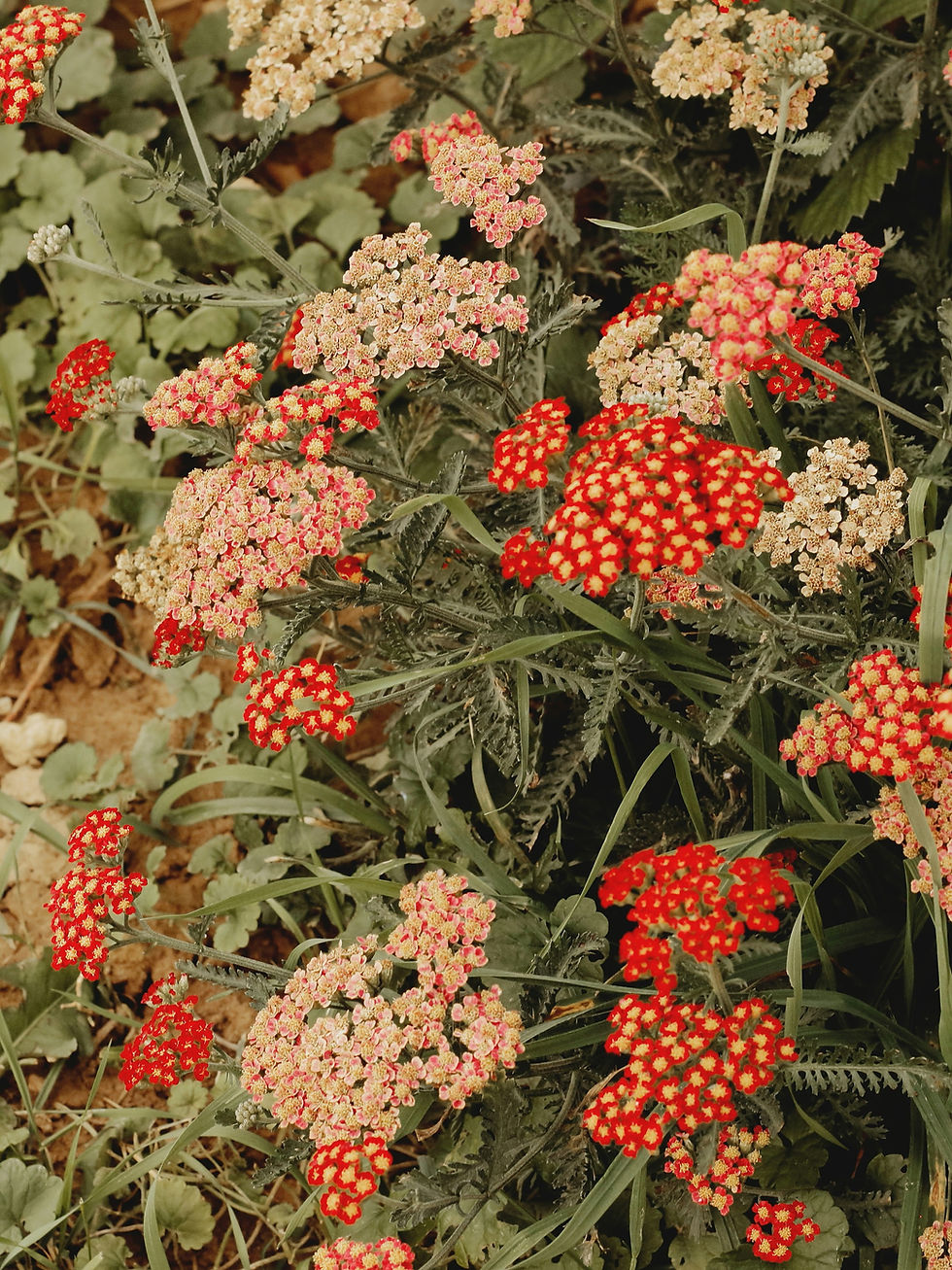
Yarrow is one of the most reliable perennials for sunny gardens. Its fern-like foliage and flat clusters of blooms add softness while being surprisingly tough.
Why it’s low maintenance:
Extremely drought tolerant once established
Rarely needs staking
Attracts pollinators
Yarrow tolerates average to poor soil and doesn’t demand frequent watering. It slowly forms tidy clumps that expand without becoming invasive.
Bonus features:
Will tolerate part shade
Comes in many colors
Has medicinal and herbal properties
Makes excellent dried flowers for dried bouquets
Best for: Borders, meadow-style gardens, and filling sunny gaps with long-lasting color.
Plant lists are helpful, but the best results come from choosing plants that fit your sunlight, soil, space, and maintenance level from the beginning.
If you want a thoughtful layout built around your real yard, explore my custom garden plans.
Want help choosing the right plants for your space?
What's Included:
Personalized plant recommendations
Layout suggestions for your space
Sun and shade planning
Layered low-maintenance combinations

Coneflower (Echinacea)

Coneflowers are classic for a reason. They thrive in Zone 7 heat and continue blooming long after many other perennials fade.
Why it’s low maintenance:
Thrives in full sun
Drought tolerant after establishment
Long bloom season (early summer through fall)
Seed heads feed birds in winter
They form structured clumps and come in shades from traditional purple to white and soft coral tones.
Bonus Features:
Will tolerate part sun
Native to North America
Deer resistant once established
Excellent cut flower
Self-seeds to fill in spaces year after year
Best for: Pollinator gardens, cottage-style borders, and sunny foundation beds, tall plants along a fence line.
Black-Eyed Susan (Rudbeckia)

If you want bold color with minimal effort, Black-Eyed Susans deliver. Their golden blooms tolerate heat, clay soil, and imperfect watering routines.
Why it’s low maintenance:
Thrives in full sun
Handles poor soil
Heat tolerant
Can gently reseed to fill empty spaces
Bonus Features:
Native varieties available
Great for mass planting
Excellent cut flowers
Planted in groups, they create cheerful drifts of color that last through mid- to late summer.
Best for: Sunny front yards, having a standout statement garden, adding a splash of color, and quickly filling larger spaces with reliable color.
Russian Sage (Perovskia)

Russian sage adds height, movement, and soft lavender color without demanding attention.
Why it’s low maintenance:
Thrives in dry soil
Heat and wind tolerant
Deer resistant
Minimal pruning required
Bonus Features:
Aromatic foliage
Very drought tolerant
Architectural structure
It pairs beautifully with coneflowers and Black-Eyed Susans for a cohesive, easy-care look.
Best for: Back borders, foundation plantings, and modern landscapes.
Sedum (Stonecrop)
Sedum stores water in its thick leaves, making it naturally drought tolerant.
Why it’s low maintenance:
Thrives in full sun
Requires little watering
Provides late-season blooms
Minimal upkeep
Bonus Features:
Succulent foliage
Excellent for late-season pollinators
Divides easily
Grows anywhere- even in rock gardens
Its fall color extends interest long after summer flowers fade.
Best for: Sunny beds needing structure and reliable seasonal color.

Creeping Thyme

Creeping thyme forms a dense mat of fragrant foliage and small blooms. As a groundcover, it shades soil, reduces weed growth and creates a finished look.
Why it’s low maintenance:
Drought tolerant
Suppresses weeds
Softens pathways and borders
Pollinator friendly
Bonus Features:
Light foot traffic tolerant
Fragrant when stepped on
Gorgeous carpet of flowers in the spring
Evergreen in mild winters
Ground covers between pathways or larger plants are one of the smartest ways to lower maintenance long term.
Best for: Between stepping stones, sunny slopes, and replacing small lawn areas.
Designing a Garden That
Gets Easier Over Time
Plant selection is only part of low-maintenance gardening. Placement matters just as much.
A few simple principles:
Group plants with similar water needs together
Use groundcovers to reduce bare soil
Plant in clusters rather than single specimens
Leave seed heads for winter interest when possible
When plants are matched to their environment, they require less correction and intervention.
This is a Good Fit if You Want:
A garden that feels beautiful without constant upkeep
Help choosing plants that actually fit your space
A clearer plan before buying more plants
Low-maintenance perennial structure
A garden that becomes fuller and easier over time
Want a Personalized Plan for Your Space?
Beautiful gardens do not come from constantly replacing plants every season.
They come from thoughtful structure, layered bloom timing, and plants that fit the space from the beginning.
If you would like help creating a low-maintenance garden plan for your yard, explore my custom garden plans.