Now Welcoming 3 Founding Clients — Limited Founding Rate
Blooms All Season:
How to Create Continuous Blooms in Zone 7
A garden that blooms all season is not created by choosing only long-blooming plants. It comes from layering bloom windows so that one plant begins as another fades, allowing the same space to stay visually alive from early spring through frost — and even into winter.
The goal: Succession, overlap, structure and seasonal rhythm

Gardens Feel Better When Something Is Always Blooming
Continuous bloom gardens are not created by planting everything at once.
They rely on thoughtful layering, overlapping bloom seasons, and plants that take turns carrying color through the year.
Why Continuous Blooms Matter:
Gardens with overlapping bloom seasons feel fuller, calmer, and more intentional throughout the year.
Instead of one short peak season followed by empty spaces, succession blooming helps gardens transition naturally between spring, summer, fall, and winter interest.

Common Continuous Bloom Mistakes
Planting everything to bloom at the same time
Relying heavily on short-lived spring color
Forgetting foliage and structure plants
Leaving bloom gaps between seasons
Focusing only on flowers instead of layering
Planting without mature size in mind
Want Help Planning Bloom Through the Seasons?

A custom garden plan can help create layered bloom timing, stronger seasonal transitions, and a garden that feels fuller and easier to maintain over time.
What's Included:
Bloom sequencing guidance
Layered perennial combinations
Sun and shade planning
Four-season structure ideas
Low-maintenance planting combinations
Personalized layout suggestions
Spring Bulbs for Early Color
Bulbs are especially valuable in spring because they bloom before many perennials have fully emerged, bringing early color to a garden when most other plants are still dormant.
They also store their own energy underground, which allows them to return quickly each season and fill an important early-season gap before later flowers take over.
Early Spring

Snowdrops
-
Bloom: late winter to very early spring
-
Sun: part sun / part shade
-
Pair with: Hellebores, Epimedium
-
Tip: plant in drifts where you need late winter cheer- these plants will come up through snow
Crocus
-
Bloom: early spring
-
Sun: full sun - part shade
-
Pair with: Creeping Phlox, Dwarf Iris
-
Tip: Plant under deciduous trees, they will bloom before the leaves grow out
Mid Spring

Daffodils
-
Bloom: mid-spring
-
Sun: full sun - part shade
-
Pair with: hosta, salvia, nepeta
-
Tip: place around other plants that don't come up until later in the year. The daffodils will die back so place them with help the space stay visually active
Tulips
-
Bloom: mid-late spring
-
Sun: full sun - part shade
-
Pair with: hosta, salvia, nepeta
-
Tip: in Zone 7, tulips also perform best in well-drained soil and often return more reliably when planted deeper than expected — usually 6–8 inches deep.
Late Spring

Allium
-
Bloom: late spring
-
Sun: full sun is best, can tolerate some shade
-
Pair with: Poppies, Salvia, Hydrangeas, Roses
-
Tip: use this as a transition plant between late spring and early summer for a seasonal handoff. This is often a time where there is little in bloom.
Baptisia (False Indigo)
-
Bloom: late spring - early summer
-
Sun: full sun
-
Pair with: Salvia, Peony, Catmint, Allium
-
Tip: Baptisia emerges late, so avoid planting it where you expect early spring fullness. Once established, it becomes a strong seasonal anchor and rarely needs dividing.
Layering Bulbs for Continuous Blooms

One of the easiest ways to create stronger spring color is to layer bulbs that bloom at different times in the same area. Instead of planting one variety, combine early, mid, and late spring bulbs so the space changes gradually through the season with overlapping blooms.
A simple sequence is:
-
early bulbs like snowdrops or crocus
-
mid-spring bulbs like daffodils
-
late spring bulbs like tulips or allium
Bulbs can also be layered vertically in the soil, with larger bulbs planted deeper and smaller bulbs above them. Because they emerge at different times, they share the same space without crowding.
This kind of succession makes a spring garden feel fuller because each layer blooms in turn
Spring Perennials That Bridge
Bulbs Into Summer

Creeping Phlox
-
Bloom: Mid-late spring
-
Sun: Full sun
-
Pair with: Tulips, Daffodils, Salvia, Allium, Dwarf Iris
-
Tip: Creeping Phlox performs best in well-drained soil and bright sun. After blooming, the foliage continues providing neat ground coverage that helps suppress weeds.
Columbine
-
Bloom: Mid-late spring
-
Sun: Part sun to part shade
-
Pair with: Salvia, Peony, Catmint, Allium
-
Tip: Columbine often self-seeds lightly, helping it naturalize gently through beds without becoming difficult to manage.
Salvia
-
Bloom: Late spring-early summer
-
Sun: Full sun
-
Pair with: Tulips, Catmint, Yarrow, Roses, Allium
-
Tip: After the first flush of bloom, cutting stems back often encourages a second round of flowers later in summer.
Summer Layering:
Plants That Take Turns Well
The strongest summer beds often rely on plants that either overlap naturally or emerge just as another plant fades. This allows the same space to continue looking intentional rather than empty between bloom periods. Summer bloom is strongest when plants are chosen not only for color, but for how they fill space as earlier flowers fade.
Early Summer Combos

Daffodils + Daylilies
-
Bloom: Daffodils; early to mid spring, Daylilies; early to mid summer
-
Sun: Full sun-part shade
-
Pair with: Salvia, Catmint, Yarrow
-
Tip: Daylily foliage rises as daffodil foliage begins to collapse, naturally hiding the fading bulb leaves.
Tulips + Salvia
-
Bloom: Tulips: mid spring, Salvia: late spring into summer
-
Sun: Full sun
-
Pair with: Catmint, Allium, Lady’s Mantle
-
Tip: Plant tulips between established Salvia crowns so spring bloom emerges before salvia fills in.
Iris + Coreopsis
-
Bloom: Iris: late spring, Coreopsis: early summer into late summer
-
Sun: Full sun
-
Pair with: Salvia, yarrow, catmint
-
Tip: Coreopsis helps continue color after iris foliage remains upright but bloom ends. Unlike other bulbs, iris foliage does not die back right after blooming.
Late Summer Combos

Catmint + Yarrow
-
Bloom: Late spring through late summer
-
Sun: Full sun
-
Pair with: Salvia, Roses, Echinacea
-
Tip: Both plants can spread aggressively and are best planted in a contained bed or large planter.
Fall Color That Extends the Garden
Fall is where thoughtful plant choices make the biggest difference, extending color long after many summer flowers fade. Many of these plants perform especially reliably in Zone 7 where warm autumns extend bloom well into fall.
Summer - Fall Bridge Plants
Sedum ‘Autumn Joy’
-
Bloom: Late summer into fall
-
Sun: Full sun
-
Pair with: Russian Sage, Asters, Ornamental Grasses
-
Tip: These plants are extremely drought tolerant. Put this in your toughest dry spot in the garden.
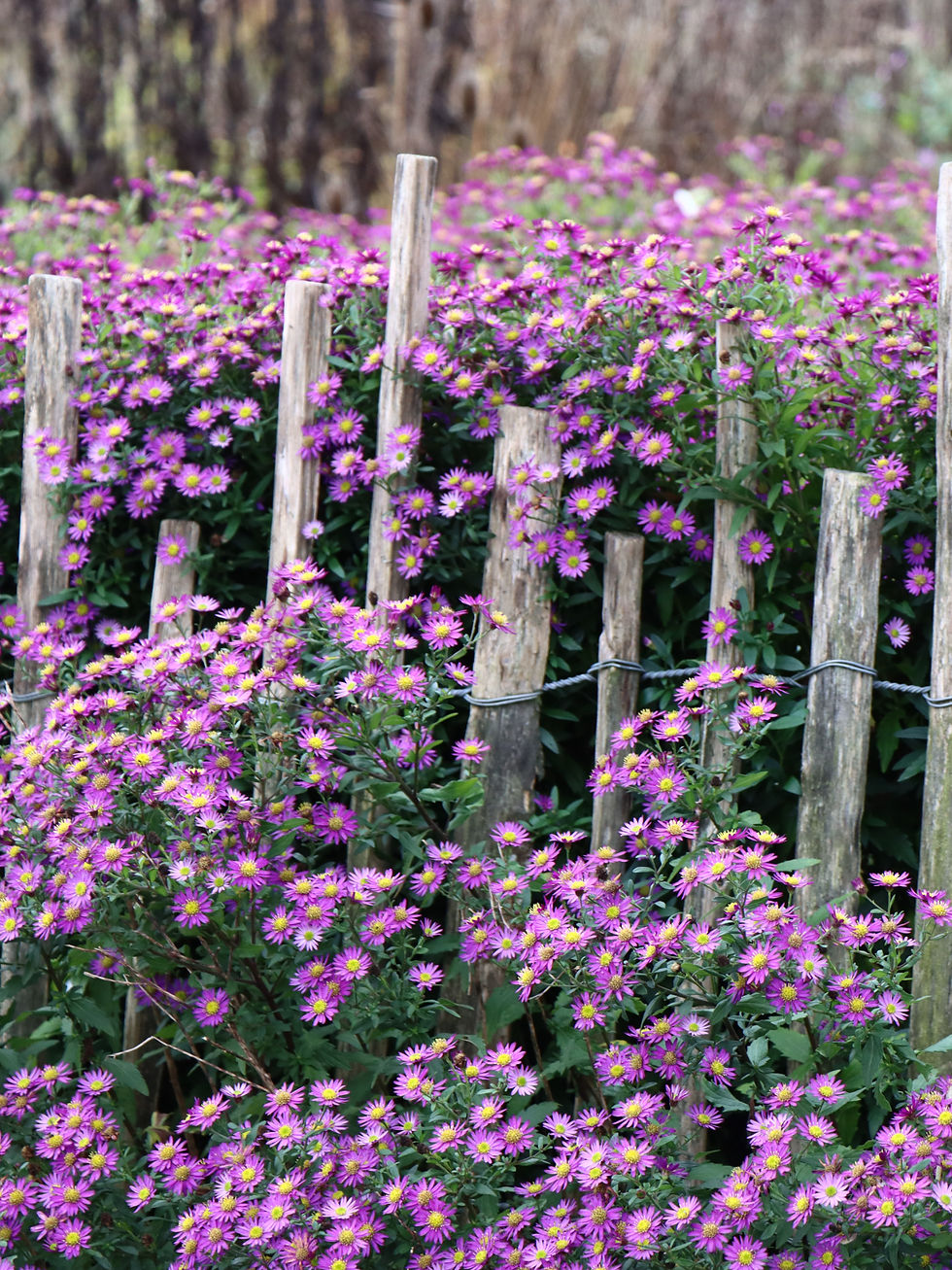
Asters
-
Bloom: Late summer to fall
-
Sun: Full sun to part shade (depending on variety)
-
Pair with: Sedum, Goldenrod, Black-Eyed Susan
-
Tip: Pinching early summer growth helps prevent the stems from flopping when it blooms.
Russian Sage
-
Bloom: Mid summer into fall
-
Sun: Full sun
-
Pair with: Coneflower, Yarrow, Sedum
-
Tip: Needs excellent drainage and performs best when not overwatered.
Fall Stars

Goldenrod
-
Bloom: Fall
-
Sun: Full sun
-
Pair with: Asters, Grasses, Echinacea
-
Tip: Choose clump-forming varieties for easier garden control.
Japanese Anemone
-
Bloom: Late summer to fall
-
Sun: Part shade
-
Pair with: Hostas, ferns, toad lilies
-
Tip: Needs consistent moisture while establishing.
Toad Lily
-
Bloom: Fall
-
Sun: Full shade
-
Pair with: Hostas, Japanese Anemone, Ferns
-
Tip: Excellent for extending bloom deep into shaded fall beds.
Winter Interest and Color
Winter gardens rely less on petals and more on stems, foliage, seed heads, and shape. Color often comes from bark, evergreen leaves, ornamental grasses, and plants left standing after bloom rather than fresh flowers.
A garden that keeps structure through winter continues to feel intentional even when most growth is dormant. Seed heads catch frost, grasses add movement, and evergreen plants help maintain texture and form long after flowering ends.
Winter Season

Red Twig Dogwood
-
Bloom: Stem color peaks in winter
-
Sun: Full sun-part shade
-
Pair with: Ornamental Grasses, Hellebores
-
Tip: Prune older stems to encourage strongest winter color.
Ornamental Grasses
-
Bloom: Late summer seed heads through winter adds structure
-
Sun: Full sun
-
Pair with: Sedum, asters, coneflower
-
Tip: Leave standing until late winter for strongest winter movement.
Seed Heads (Echinacea + Sedum)
-
Bloom: Visual interest after bloom ends
-
Sun: Full sun
-
Pair with: Grasses, Russian sage
-
Tip: Avoid cutting back too early — seed heads often become the winter feature.
Bringing It All Together
A garden does not need dozens of varieties to feel full through the seasons. Often, one plant from each bloom window creates enough rhythm to keep a bed visually active from early spring through winter.
A simple starting formula is:
one early bloomer
one summer anchor
one late-season extender
one evergreen or winter structure plant
When chosen well, these layers allow one season to hand naturally into the next, so the garden feels intentional rather than fading between bloom periods. Over time, repeating this pattern across different beds creates a landscape that becomes easier to maintain and more satisfying through every season. The goal is not constant bloom everywhere, but steady movement so that something always carries the garden forward.
Want a Personalized Plan for Your Space?
Every yard — and balcony — has different sunlight patterns, soil conditions, and goals.
If you’d like a thoughtful layout using low-maintenance plants tailored to your exact space, explore my custom garden plans.
Beautiful gardens don’t require constant effort.
They require the right plan from the beginning.